Connecting and Setup
Introduction
This tutorial covers connecting and configuring NEPI Engine software running on an NVIDIA Jetson or other edge-compute hardware. This tutorial assumes you have a working NEPI Engine enabled edge compute platform.What you will need
1) 1x NEPI-enabled device.
2) 1x PC with Ethernet network adapter and WiFi support. This tutorial uses a Windows 11 PC and a USB GigE Ethernet adapter.
3) 1x Ethernet Cable
Prerequisite (NEPI Lite Only)
This step is required if you are running NEPI Lite. If your device is running NEPI Lite, you must manually set a static IP address before continuing. If you installed NEPI Full, you can skip this step.Your NEPI Device's network adapter IPV4 settings must be set to 'Manual' with the following values ADDRESS = 192.168.179.103 NETMADK = 255.255.255.0 before proceeding.Configure the NEPI Device IP Address (NEPI Lite Only)
1) Navigate to the Network Settings and
2) Select your Wired connection. Click the gear icon to edit the connection.
3) Go to the IPv4 tab and set IPv4 Method to Manual.
4) Add an address with the following values:
Address: 192.168.179.103
Netmask: 255.255.255.0
5) Click Add or Save, then close the settings window.
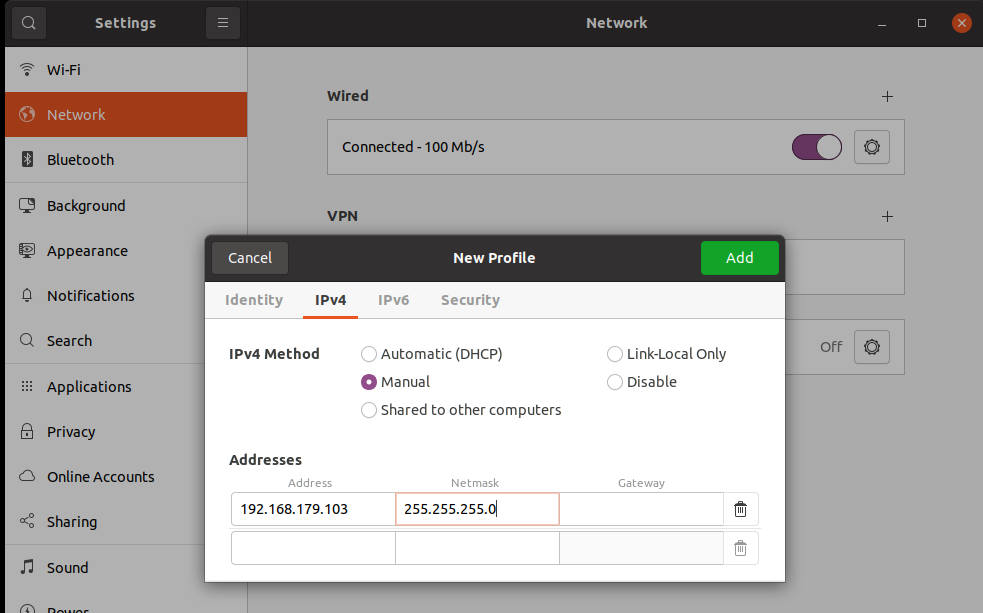 Your device is now configured with a static IP address and ready for the next step.
What you will need
1) 1x NEPI-enabled device and power supply.
2) 1x PC with Ethernet network adapter. This tutorial uses a Windows 11 PC and a USB GigE Ethernet adapter.
3) 1x Ethernet cable.
4) 1x USB camera or webcam.
Hardware Setup
1) Connect your NEPI device to your PC's Ethernet adapter using an Ethernet cable, then power your NEPI device.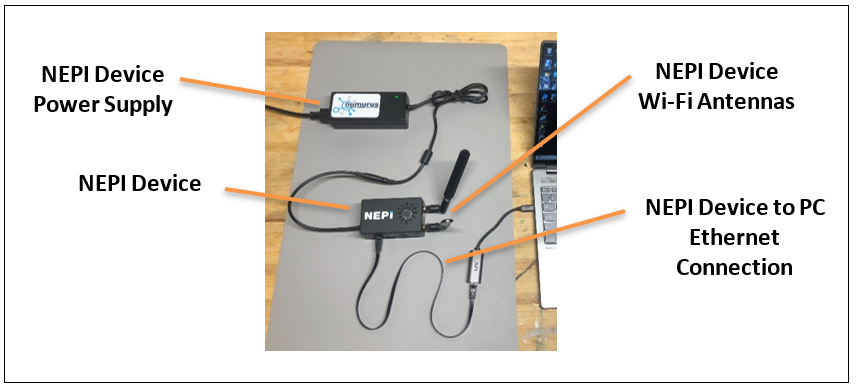
Connecting a PC to a NEPI Device
Connecting with a Network Cable on Windows
On the PC, you will need to configure the Ethernet network adapter with a static IPV4 address on the same subnet that your NEPI device following the steps below. The NEPI software uses a default subnet of192.168.179.0/24 with the device configured for IP address 192.168.179.103.
Example: PC Network Adapter Settings
IP Address: 192.168.179.5
Submask: 255.255.255.0
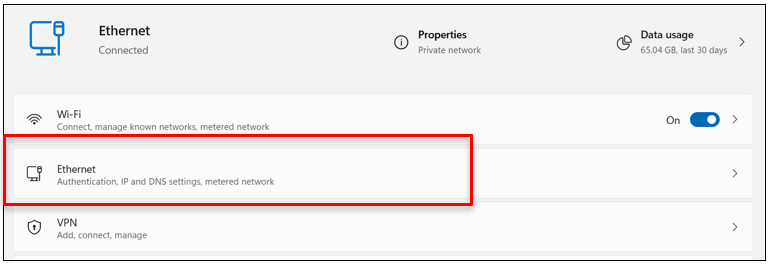
1) Right click on the "Connection" icon in your PC's menu bar and select the "Network and Internet settings" option.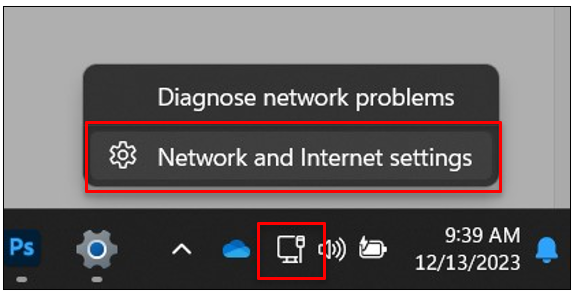 2) Select the "Ethernet" line from the list of options shown.
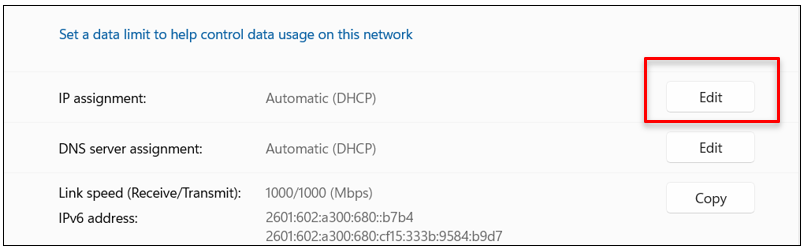
 3) Select the "Edit" button next to the "IP assignment" menu item
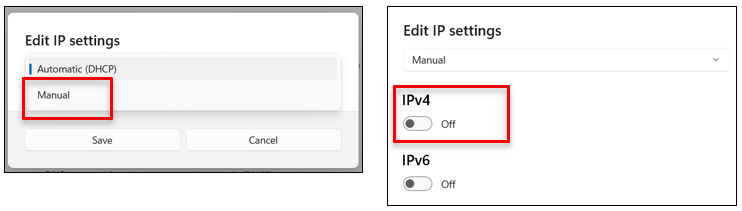
 4) Select the "Manual" option then turn on the "IPv4" switch in the popup window that appears.
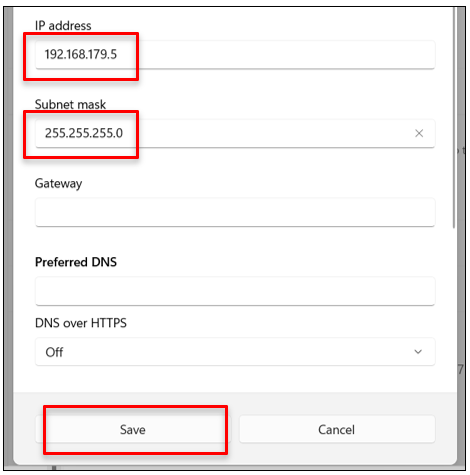
 5) Enter
 192.168.179.5 in the "IP address" and 255.255.255.0 in the "Subnet mask" fields, then click the "Save" button.
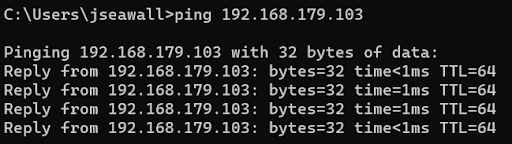
 6) You can test your Ethernet connection to the NEPI device by opening a Command Prompt terminal from the windows "Start" menu, then typing "
ping 192.168.179.103". You should see a valid response like the one below. If not, try power cycling your PC.
Connecting with a Network Cable on MacOS
To connect your Mac directly to a NEPI device over Ethernet, you will configure your Mac's Ethernet adapter with a static IPv4 address on the same subnet as the NEPI device. NEPI devices use the default subnet 192.168.179.0/24 and the device IP 192.168.179.103.Example Static Network Settings for macOS
IP Address: 192.168.179.5
Subnet Mask: 255.255.255.0
1) Open Network Settings: Open System Settings. Scroll and select Network from the sidebar.
2) Select Your Ethernet Interface: Choose Ethernet from the list of available network interfaces.
NOTE: If you do not see Ethernet listed, plug in your Ethernet adapter and reopen Network settings.
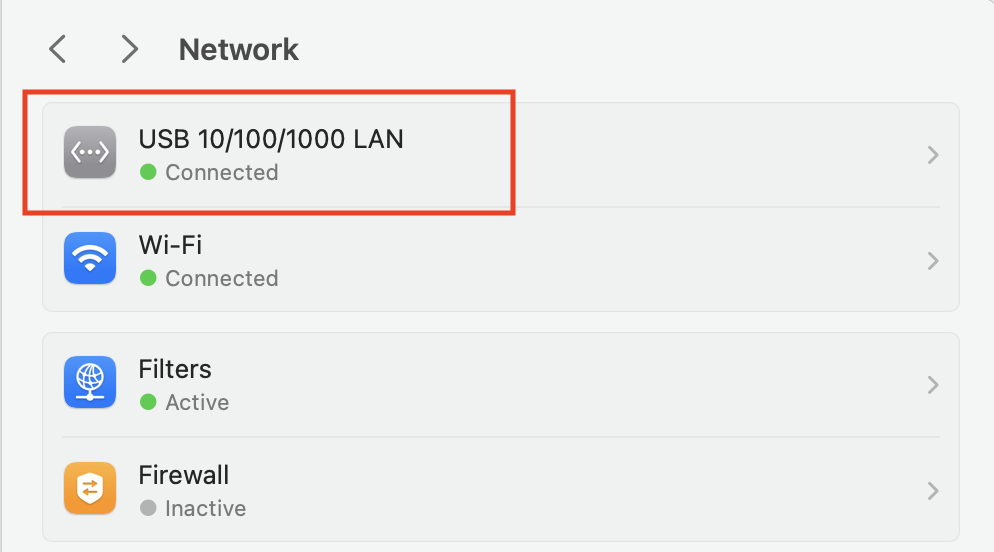
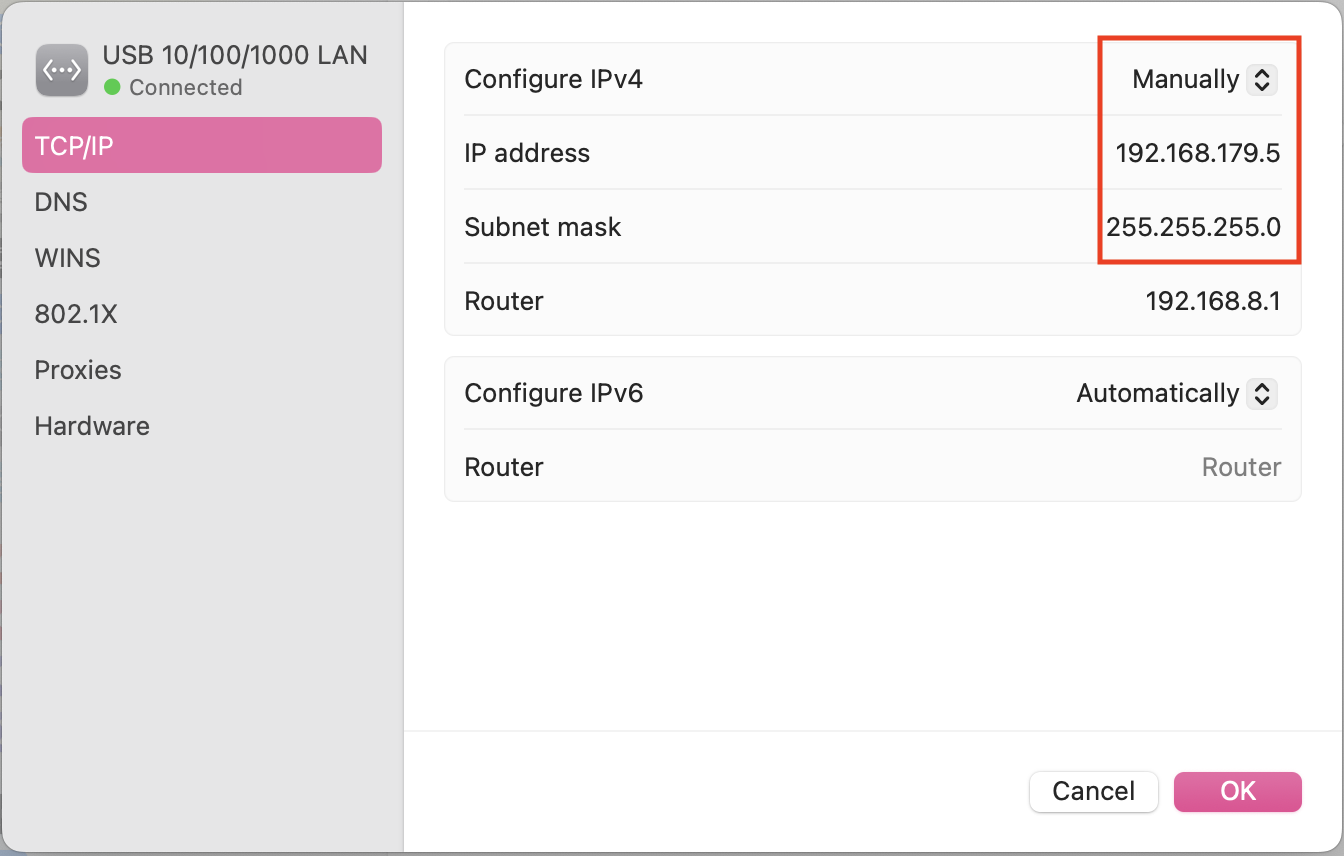
3) Open IP Configuration: Select the Details button next to Ethernet, then choose the TCP/IP tab.
4) Change IPv4 Configuration: Locate the Configure IPv4 dropdown menu and select Manually.
Fill in the NEPI-Compatible Static IP following fields (if not done automatically):
IP Address: 192.168.179.5
Subnet Mask: 255.255.255.0
Select OK, then close the window. Your Mac will now use the static address.
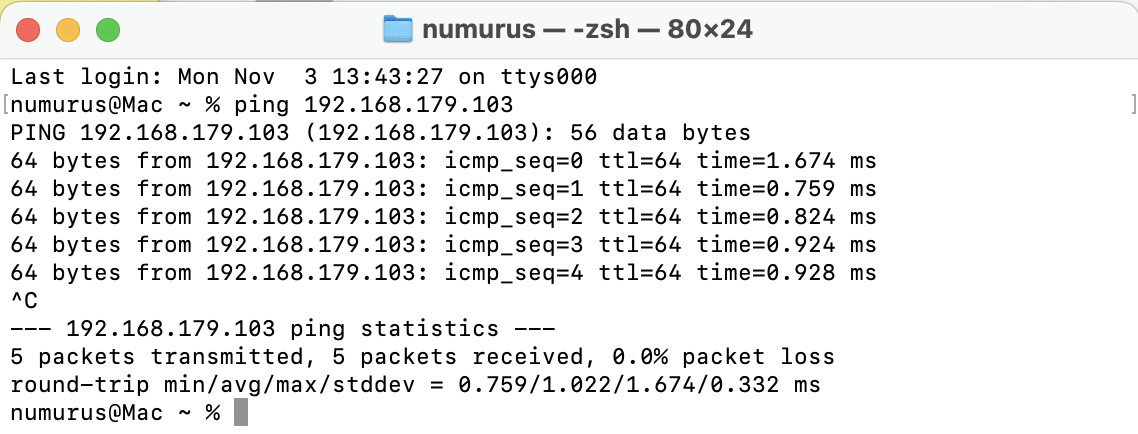
5) Test Connectivity: Open the Terminal app (found in Applications → Utilities → Terminal). Input the following command:
ping 192.168.179.103
NOTE: Press Ctrl + C to stop the ping process and return to the normal Terminal prompt.
Accessing and Navigating the NEPI Device's RUI
Now that the PC and NEPI device are communicating, we need to connect to the NEPI device's Resident User Interface or RUI, which is a browser-based interface hosted on the NEPI device, that provides system monitoring and setup, since in most cases, the NEPI device will be embedded in a larger system with no display, keyboard, or mouse attached. 1) For this step, you just need to open a web-browser on our PC and enter the NEPI device's IP address and RUI port number: http://192.168.179.103:5003 NOTE: The current version of the RUI does not include a self certified SSL certificate, so the link will display a "Not Secure" message.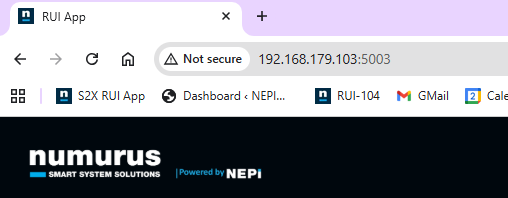 2) You should see the NEPI RUI dashboard page appear and a blinking Green heartbeat indicator at the top of the SYSTEM STATUS section that lets you know that the RUI is communicating with the NEPI backend software processes. This is a good way to check if you are actually connected to a live NEPI device, and not just looking at a browser cached screen image. You can select the address in the browser's address bar and drag the NEPI RUI address into your favorites bar for easy access.
NOTE: On the initial power up of a NEPI device, you may need to wait a few seconds for the RUI to connect.
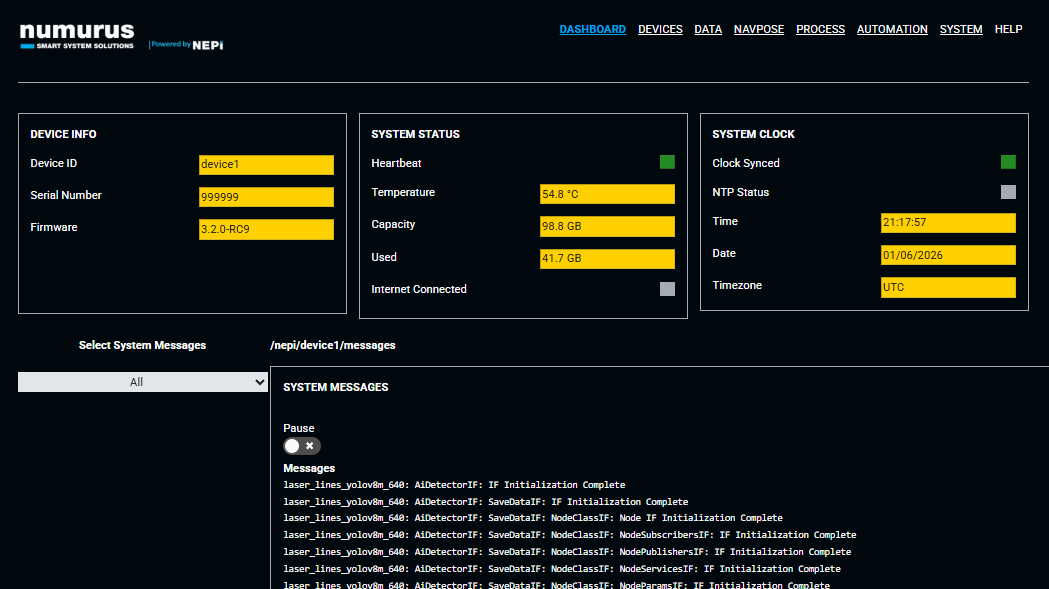 3) You can navigate the NEPI RUI just like any webpage using the menu items in the header section of the page.
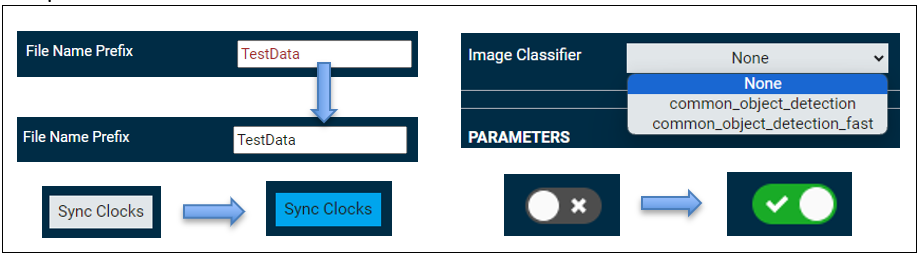
 4) Before getting into the NEPI system setup portion of this tutorial, it will be valuable to review some interface aspects of the NEPI RUI system. On the RUI Dashboard tab, you can see a combinations of yellow and white boxes. The yellow boxes are indicators, and the white boxes are input fields. There are Gray buttons that will turn Blue momentarily when clicked, indicating that the command was received and sent, Drop Down menus that show the selected items in Blue boxes, and Toggle Switches will turn Green when enabled.
NOTE: It is critical that after entering an input field, you hit the enter key. Before hitting enter, the text in the field will be red. Once you hit the enter key, the RUI will send the input to the NEPI engine backend software and change the input to black text, indicating that it was accepted and sent.
NOTE: While the RUI provides a convenient user interface to the NEPI software system, all of the data and controls you see have documented backend API interfaces (ROS and HTML) for automation programming and interfacing to a connected system.
Connecting to the Internet
This tutorial covers connecting and configuring internet connections for NEPI Device's.
Ethernet Internet Connection Setup
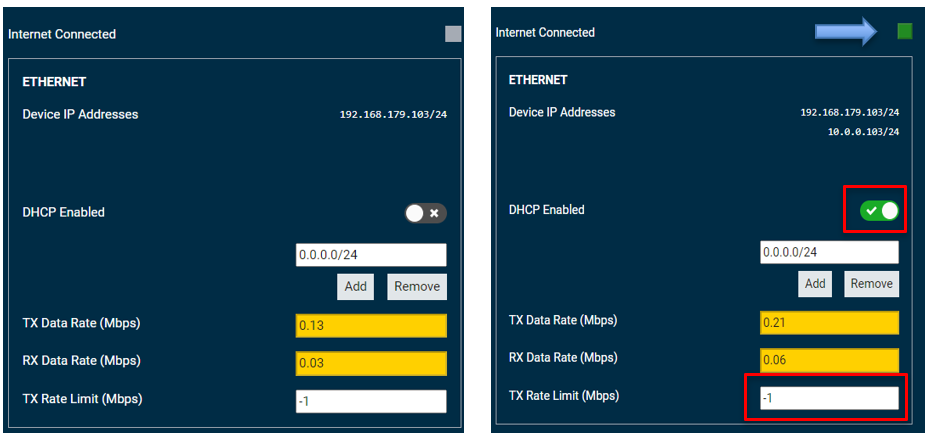
If your NEPI device is connected to an internet connected switch through an Ethernet cable, you can configure the NEPI device's Ethernet settings to enable internet connections in the RUI's "System/Device" tab where you will find a section labeled "ETHERNET". In this section you will see the NEPI device's base IP address, a switch to enable DHCP support if you want your system to connect to the internet, a box and controls for adding or removing additional IP addresses that are added on top of the system's base address, two network bandwidth usage indicators, and a control for limiting the systems max ethernet transmit bandwidth, which is useful if you are connecting over wireless or cabled network with limited bandwidth. A value of "-1" applies no limiting.
WiFi Internet Connection Setup
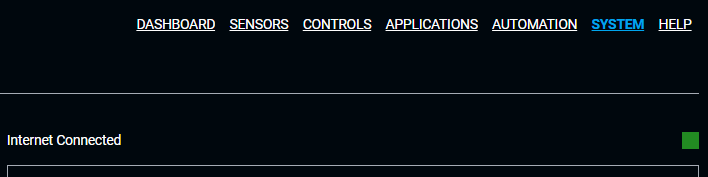
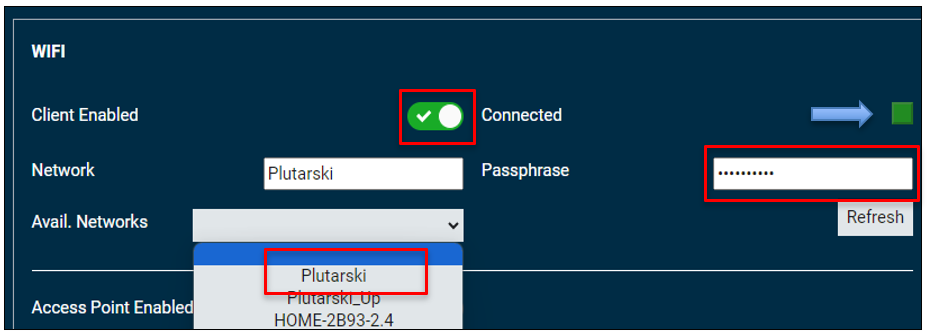
If your NEPI device has either an integrated WiFi board or you have a WiFi USB adapter attached, you will see a WIFI section available under the ETHERNET section on this page. If you want to connect to the internet through an available WiFi network, click the Client Enabled switch, wait for the "Available Networks" dropdown box to populate, then select the WiFi network you want to connect too, and enter the WiFi password in the "Passphrase" box. Be sure to hit return after entering the password. If the NEPI software was able to connect with the password you entered, you should see the "Connected" indicator turn Green. If the WiFi network you connected to has internet access, you should see the "Internet Connected" indicator above the "Ethernet" section turn Green as well.
PC Shared Internet Connection Setup
If your PC has internet access, either through a wired or WiFi connection, you can share that internet connection with your NEPI device by configuring a WiFi access point on your PC that is connected to your PC's internet connection, then connect your NEPI device to the PC's WiFi access point to connect to the internet. This is valuable when a WiFi hotspot requires addition login authentication not configurable through the NEPI devices WiFi settings.
1) Setup a mobile hotspot on your internet connected PC using the instructions in the following links:
Linux PC
https://www.makeuseof.com/create-wireless-hotspot-on-linux/
1) Open a terminal on your Linux PC connected to the internet and install the required software:
sudo add-apt-repository ppa:lakinduakash/lwh
sudo apt update
sudo apt install linux-wifi-hotspot
Then create the wifi hotspot by running:
sudo create_ap wlp2s0 wlp2s0 <HOTSPOT_NAME> <PASSWORD>
Example:
sudo create_ap wlp2s0 wlp2s0 guranto_PC ILoveCats
Windows PC
2) Open your NEPI device's RUI "System/Device" tab, enable WiFi Client connection, find the newly create mobile hotspot access point in the "Avial. Networks" dropdown box
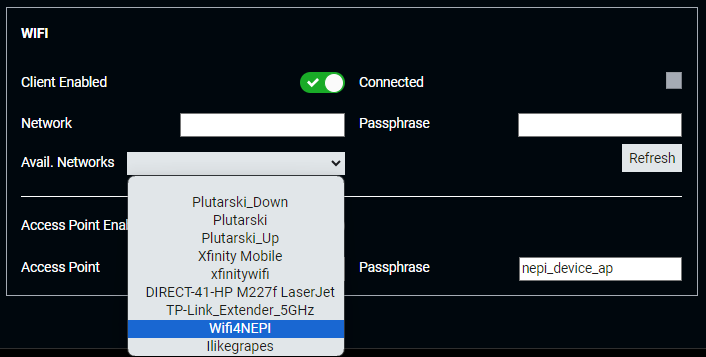
enter the password you configured in the mobile hotspot setup and hit Enter.
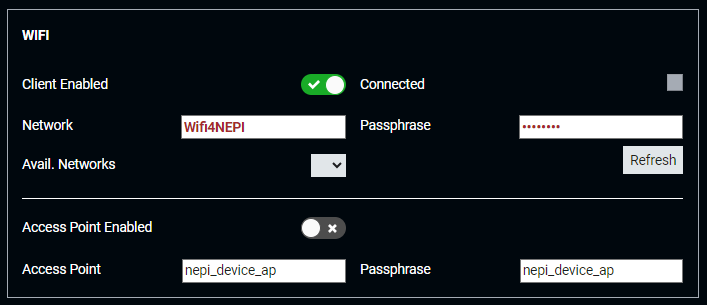
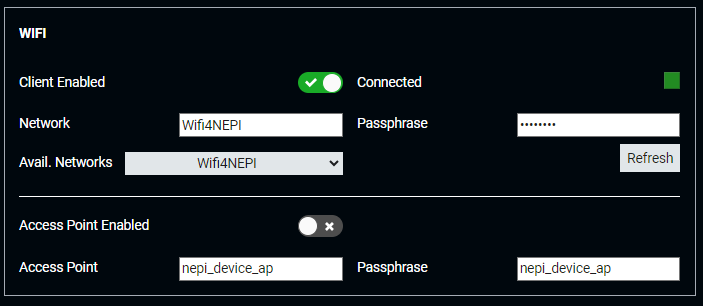
the entered Network and Passphrase will turn Black, and the Connected icon will turn Green
Check that your NEPI device is connected to the internet. When connected, the indicator next to the "Internet Connected" label on the top right of the RUI "System/Device" Tab will turn Green.